The presence of Romanian clergy in Japan can be traced back to the second half of the 19th century. In fact, the closest collaborator of St. Nicholas Kasatkin in the mission in Japan was the Basarabian hieromonk Anatoly Tihai. He came to Japan in December 1871. He was delegated to help the future St. Nicholas of Japan to maintain the Orthodox community formed there. In 1873, Father Anatoly founded the Orthodox Primary School in Hakodate, where he taught for the next 7 years. In 1880, Father Anatoly was elevated to the rank of Archimandrite and asked by Bishop Nicholas to come to Tokyo to become Dean of the newly established Language School and Seminary. By the end of 1882, Archimandrite Anatoly’s health was failing and he was forced to return to Russia, where he died in 1893.
Another important figure in the history of the Romanian Orthodox Church in Japan is the choirmaster Iacov Tihai. He is the brother of Archimandrite Anatoly Tihai, who came to Japan on the recommendation of his brother to Bishop Nicolae. He became the main translator of Russian liturgical music during the first decades of the Japanese mission. Together with Dimitri Lvovski he founded a school of liturgical music in Tokyo. Jacob Tihai married Yelena Yokoi, the daughter of a distinguished Japanese family, in 1876. Jacob died during a visit to Odessa in 1887, and his wife and children later returned to Japan.
From the death of the first two Romanian missionaries from Bessarabia until 2008, there is no record of any other Romanian clergy working in Japan.
In January 2008, the Romanian community in Japan, represented by Maria Barbu and Yasui Koji, asked the Romanian Patriarchate to send a Romanian Orthodox priest to settle in Japan and take care of the souls of Romanians in the Japanese archipelago.
Thus, in November 2008, after a series of correspondences between the two parties, Fr. Alexandru Nicodim was sent as parish priest of the newly established parish “St. Great Martyr George” in Tokyo and its surroundings. Fr. Nicodim arrived in Japan with his wife Monica and son Stefan. From 2008 to 2010 they lived in Izu, Shizuoka Prefecture, where they celebrated the Divine Liturgy. In 2010, they moved to Chiba, but the liturgical services were held in various places in and around Tokyo (community centers, rented Catholic churches, etc.) Under these circumstances, Fr. Nicodim met Catholic Father Leo Schumacher, who agreed to make available to the Romanian Orthodox Church a room belonging to St. Anselm’s Catholic Church in Meguro, Tokyo, of which he was parish priest. In 2013, due to personal problems, Father Nicodim and his family had to return to Romania.
In August 2013, Fr. Nicodim was succeeded by Fr. Daniel Corîu, who arrived in Japan with his wife Cristina-Elena.
The main seat of the parish continued to be St Anselm’s Catholic Church in Meguro until November 2013, when it became possible to use a Catholic chapel in the Yoga district, Setagaya Ward, Tokyo. With its own space, the Romanian Orthodox Church in Japan began to stabilize and take the form of an indigenous Romanian church, and its parishioners began to grow in number. However, due to external factors, in 2016 the Church community had to move again, this time to the city of Kunitachi, Tokyo. The new location also belonged to the Catholic Church, but the local congregation only used it once a month. So the church members agreed to rent it to the Romanian Orthodox Church, with the clear intention of selling it. Over the course of a year, with the financial support of the Romanian Patriarchate and the Romanian government, as well as individual members of the Romanian Orthodox Church, the necessary amount was raised to purchase the church and the land, and in March 2017, the Romanian Orthodox Church became the owner of the first Romanian Orthodox place of worship in the whole of Japan.
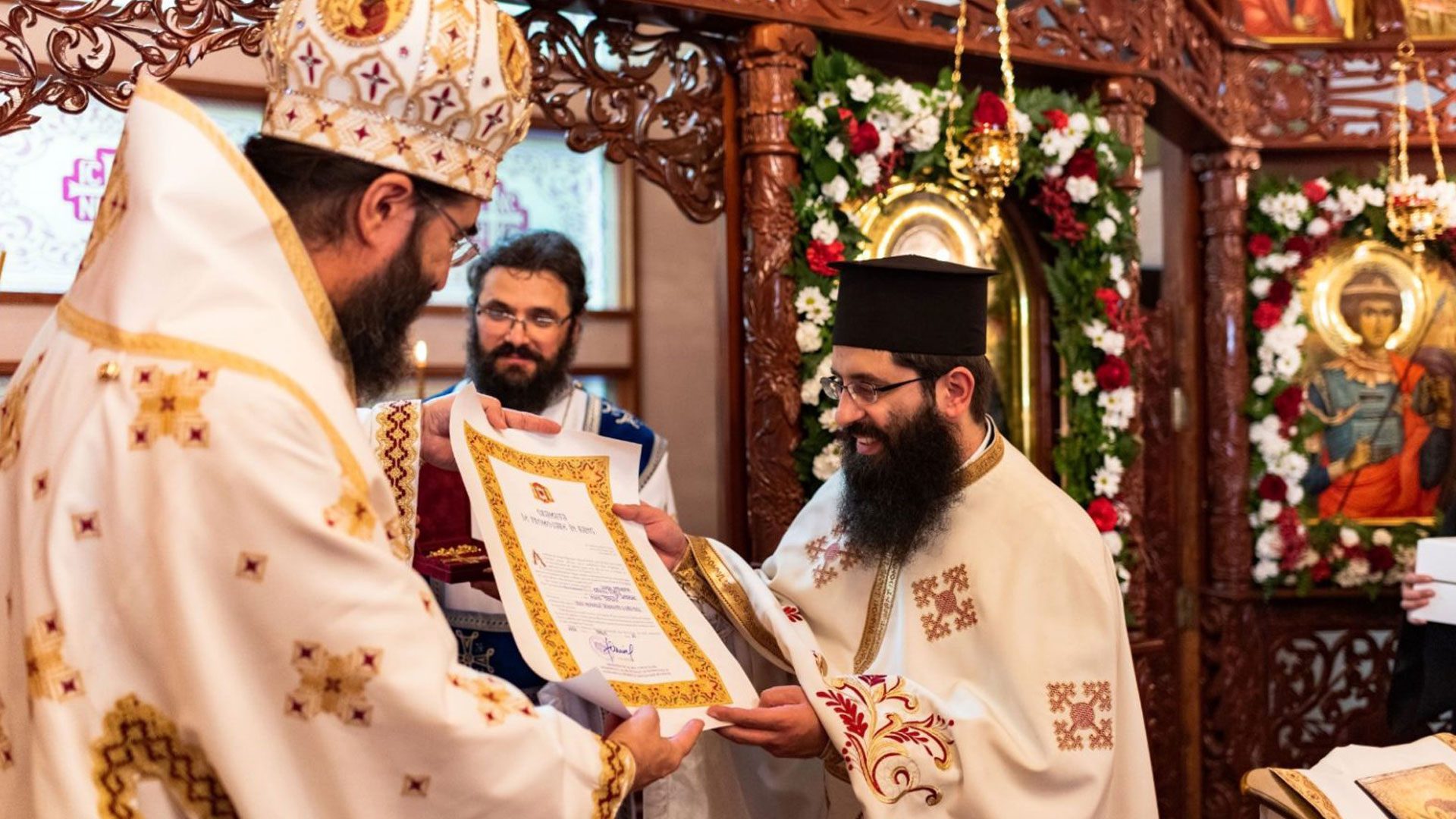
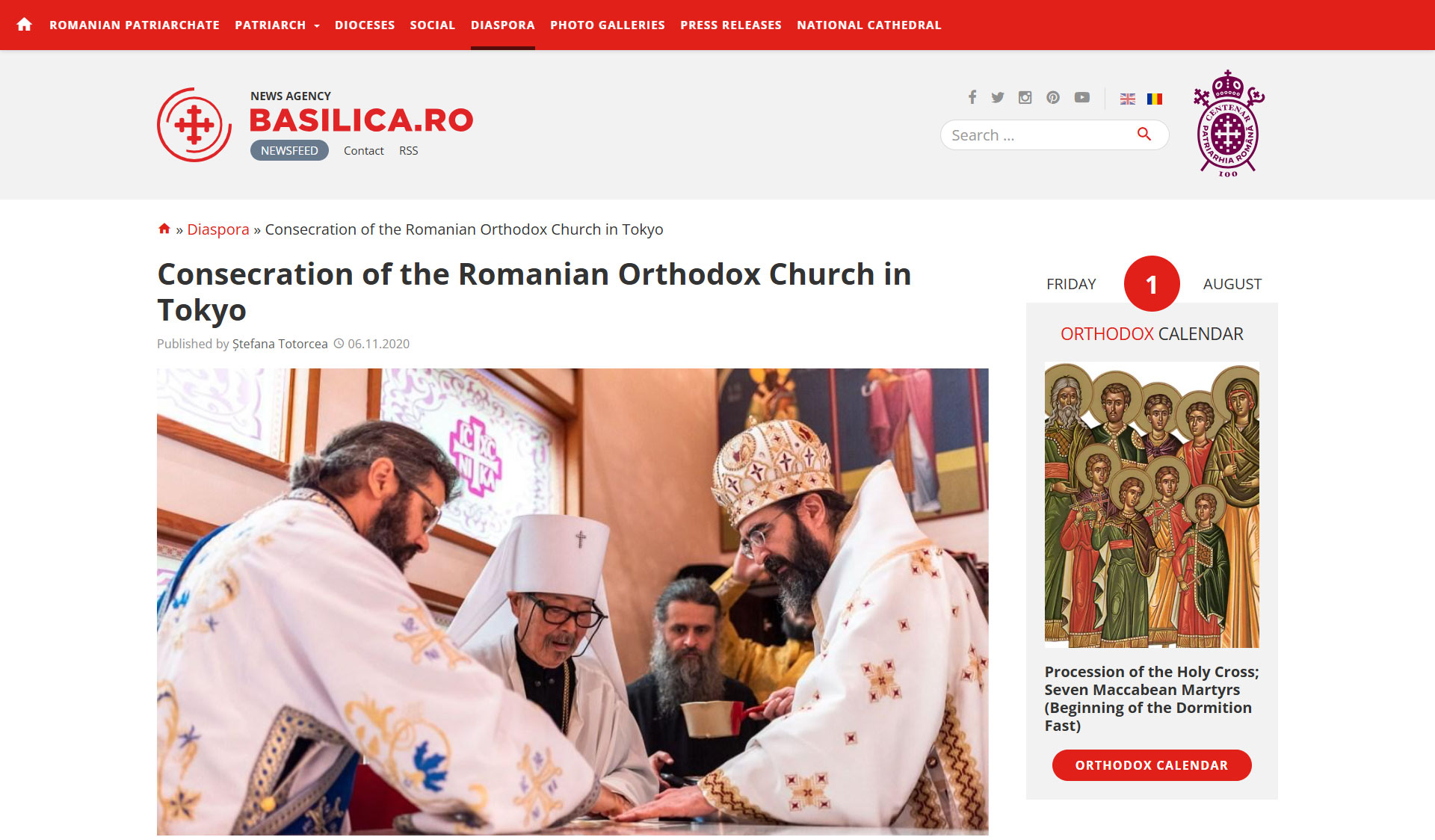
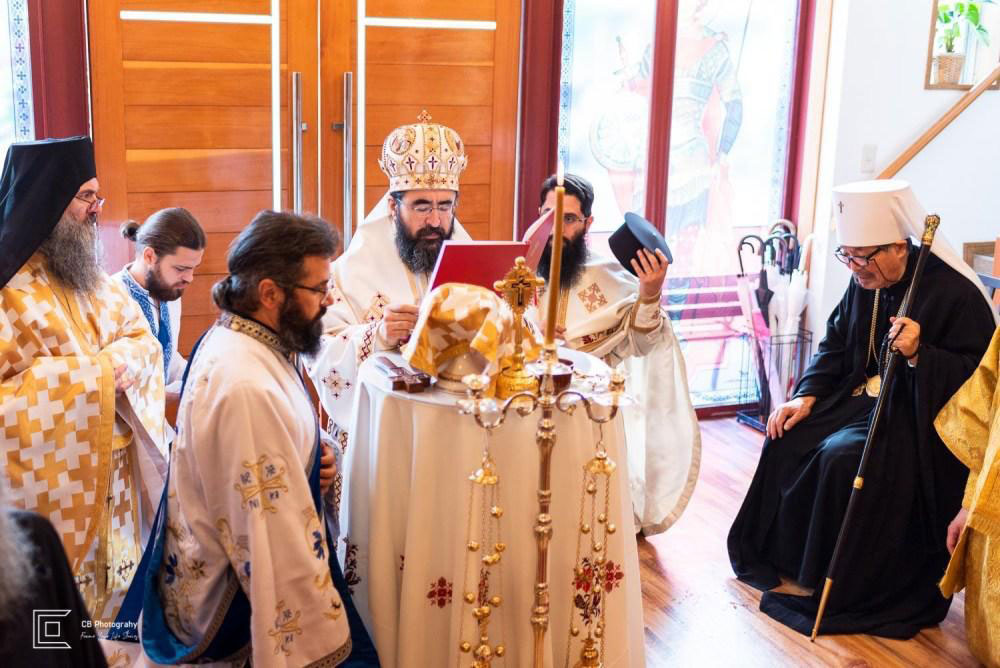
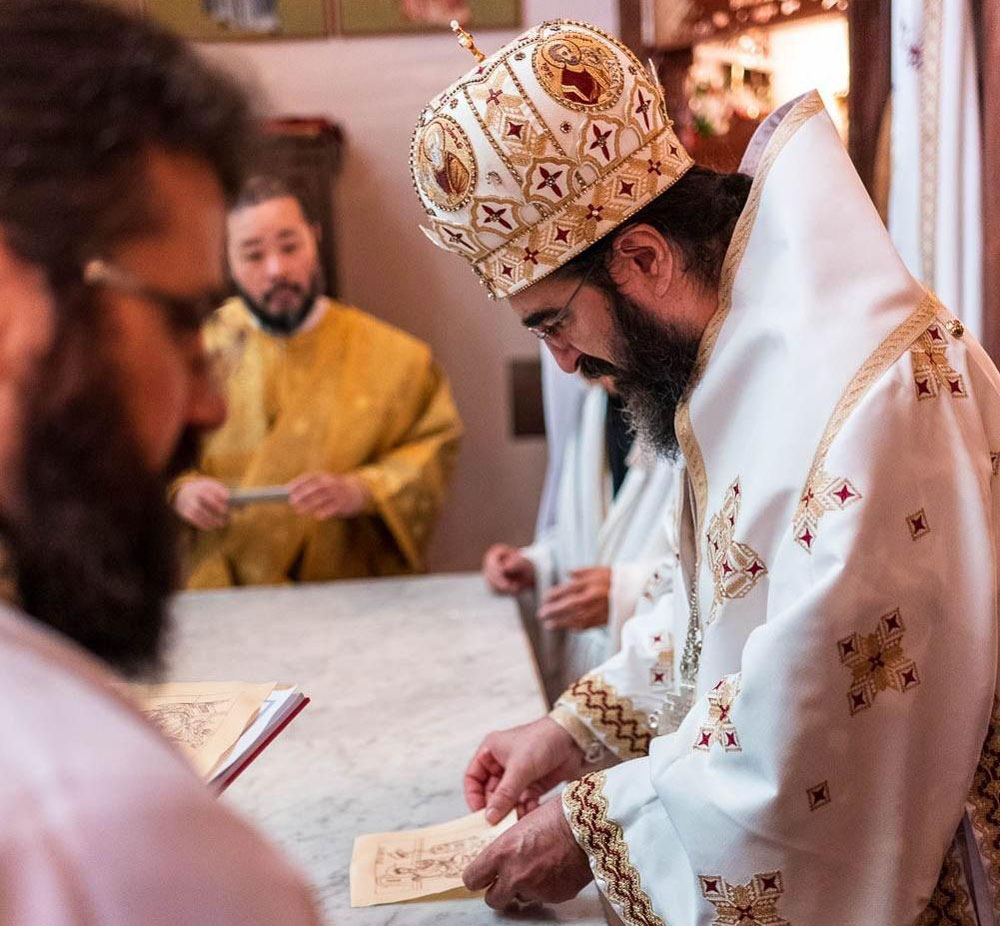
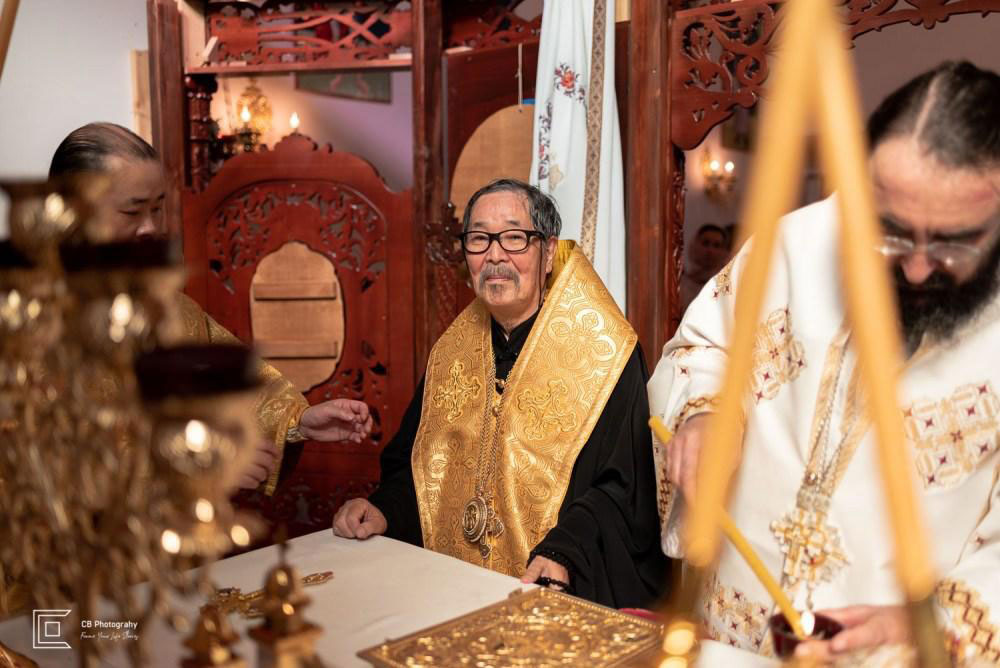
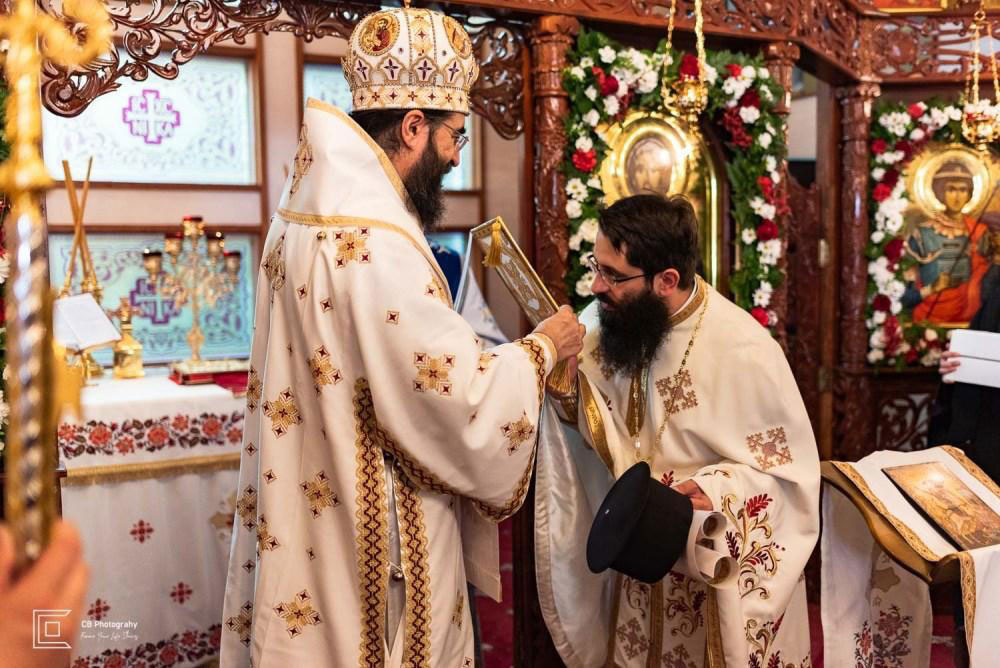
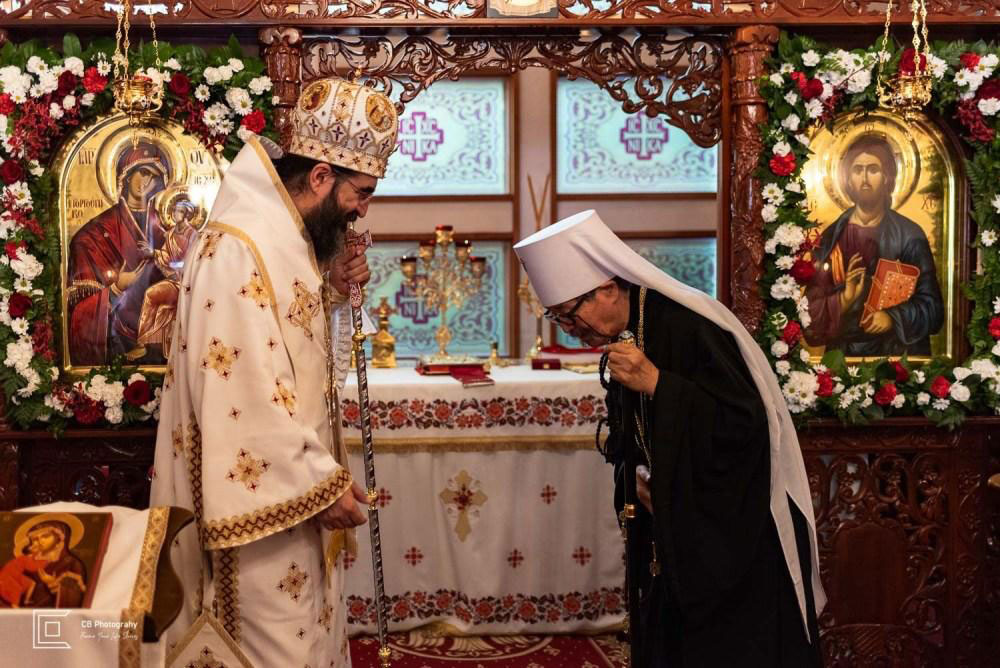
Between 2017 and 2020, numerous renovation and embellishment works were carried out on the church in accordance with Orthodox rites. These works were crowned by the consecration of the Church of St. George the Great Martyr on 3 November 2020 by His Eminence Joseph, Metropolitan of Southern and Western Europe, surrounded by a group of priests and deacons.
Through the blessing received at the consecration of the first Romanian church in Japan, the Romanian Orthodox Church has found the springboard for the development of numerous missionary projects aimed at expanding and nourishing the Orthodox spirit and faith in these lands.
In August 2020, the Romanian Orthodox Church in Japan was recognized as a religious institution by the Japanese government, following an intensive verification and research process that lasted about 4 years.
In addition to these achievements, one of the most important projects to date is the establishment of an Orthodox chapel in Osaka in 2022 to serve Orthodox Christians in the area. Equally important is the project to organize and establish the first Orthodox cemetery in Japan. The bureaucratic process of organizing the land for the cemetery took about 3 years and the concession agreement was signed on 20 January 2024.